Ask the Dentist
Why Your Teeth Are Yellowing — And Which Whitening Treatments Actually Work
Tooth discolouration is one of the most common cosmetic concerns raised during dental consultations — and also one of the most misunderstood. Most people blame coffee or wine, which plays a role — but age, genetics, medications and the biology of the tooth itself are equally significant contributors. Understanding the cause is what determines the most effective solution.
Extrinsic Staining vs Intrinsic Discolouration — A Critical Distinction
These are two fundamentally different problems that respond to very different treatments. Confusing them is why so many people are disappointed with over-the-counter whitening products.
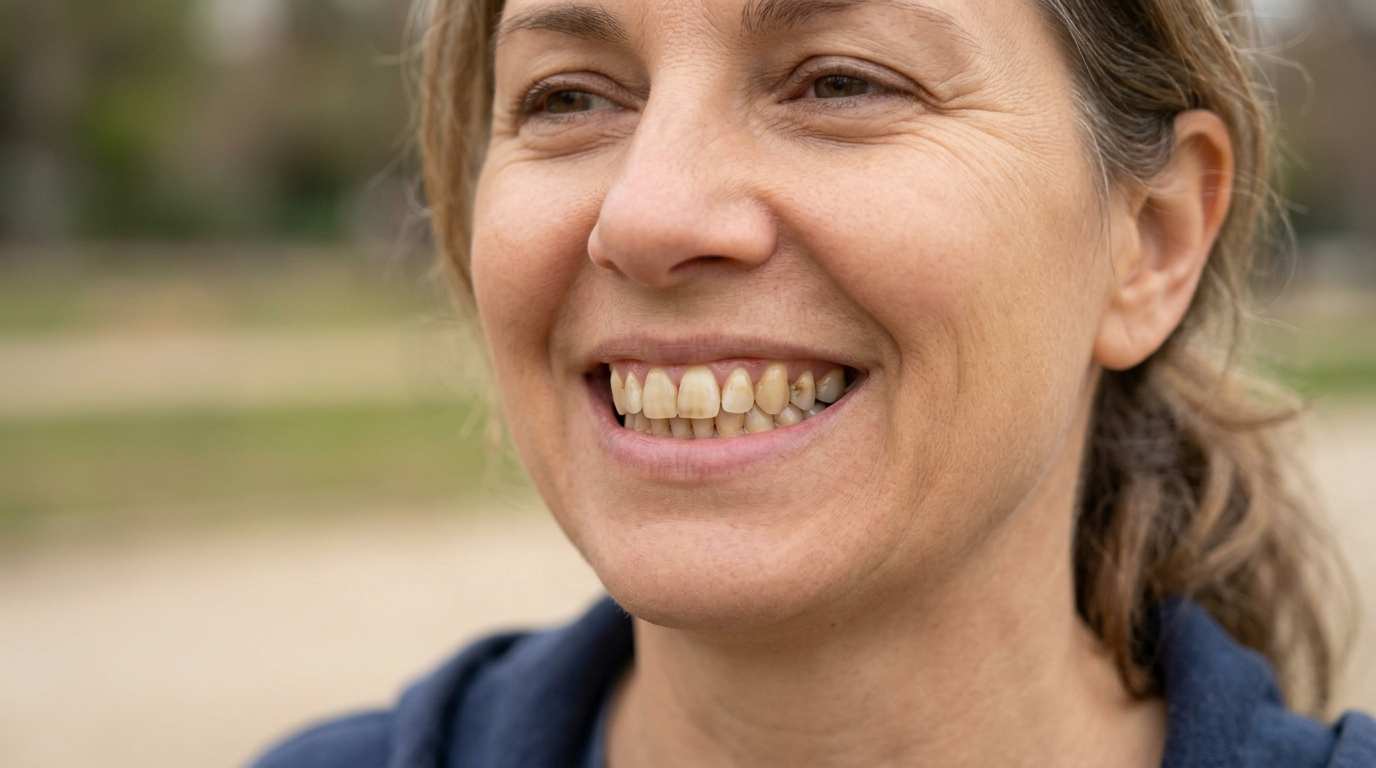
Extrinsic staining sits on or just within the outer surface of the enamel and is caused by pigmented compounds in foods and drinks — coffee, tea, red wine, turmeric-based curries, berries and beetroot are the main culprits. Tobacco causes some of the most stubborn extrinsic staining seen in clinical practice. This type of discolouration responds very well to professional cleaning and polishing, and then to teeth whitening.
Intrinsic discolouration occurs within the dentine layer of the tooth, below the enamel surface. It cannot be removed — it must be chemically altered. This requires a bleaching agent that penetrates the enamel and breaks down the colour-causing compounds within the dentine. Professional whitening achieves this. Whitening toothpastes do not.
Why Teeth Yellow With Age — The Biology
This is the single most common cause of tooth discolouration in adults, and it is entirely unavoidable. As we age, the outer enamel layer gradually thins through dietary acid exposure and mechanical wear. Simultaneously, the inner dentine layer — which is naturally yellow-brown in colour — becomes thicker and more opaque as secondary dentine is continuously laid down throughout life. The result: the yellow dentine shows through the increasingly thin and translucent enamel more prominently every year.
Other Causes That Are Commonly Overlooked
- ◆Tetracycline antibiotics taken during childhood produce grey or brown banding within the tooth structure — highly resistant to whitening and often requires veneers
- ◆Fluorosis from excessive fluoride during tooth development causes white spots, brown marks or mottling within the enamel
- ◆Trauma to a tooth can cause internal bleeding within the pulp, resulting in the tooth gradually darkening over months or years
- ◆Root canal treated teeth frequently darken over time as residual pulp tissue breaks down inside the tooth
- ◆Certain medications including antihistamines, some blood pressure drugs and iron supplements can affect tooth colour
- ◆Genetics — the natural shade and thickness of your enamel is partly inherited
What Works — and What Does Not
Whitening toothpastes work primarily through mild abrasion, removing surface staining but not bleaching the tooth. They can help maintain results achieved through professional whitening but will not meaningfully lighten the colour of your teeth on their own.
Over-the-counter whitening strips contain higher peroxide concentrations than whitening toothpaste and can produce modest results in patients with primarily extrinsic staining. Results are often uneven because strips do not conform precisely to the unique shape of each tooth.
Professional take-home whitening — which is what we prescribe at Riverside No Gap Dental — uses custom-fabricated trays that fit your exact tooth anatomy. These trays hold the whitening gel at a concentration available only through dental professionals, against every surface of every tooth for a consistent, even result. Most patients complete two to three weeks of nightly application and achieve four to eight shades of improvement.
"Professional whitening remains one of the most cost-effective cosmetic treatments available in dentistry. For the right patient, the results are genuinely striking."
Is Professional Whitening Safe?
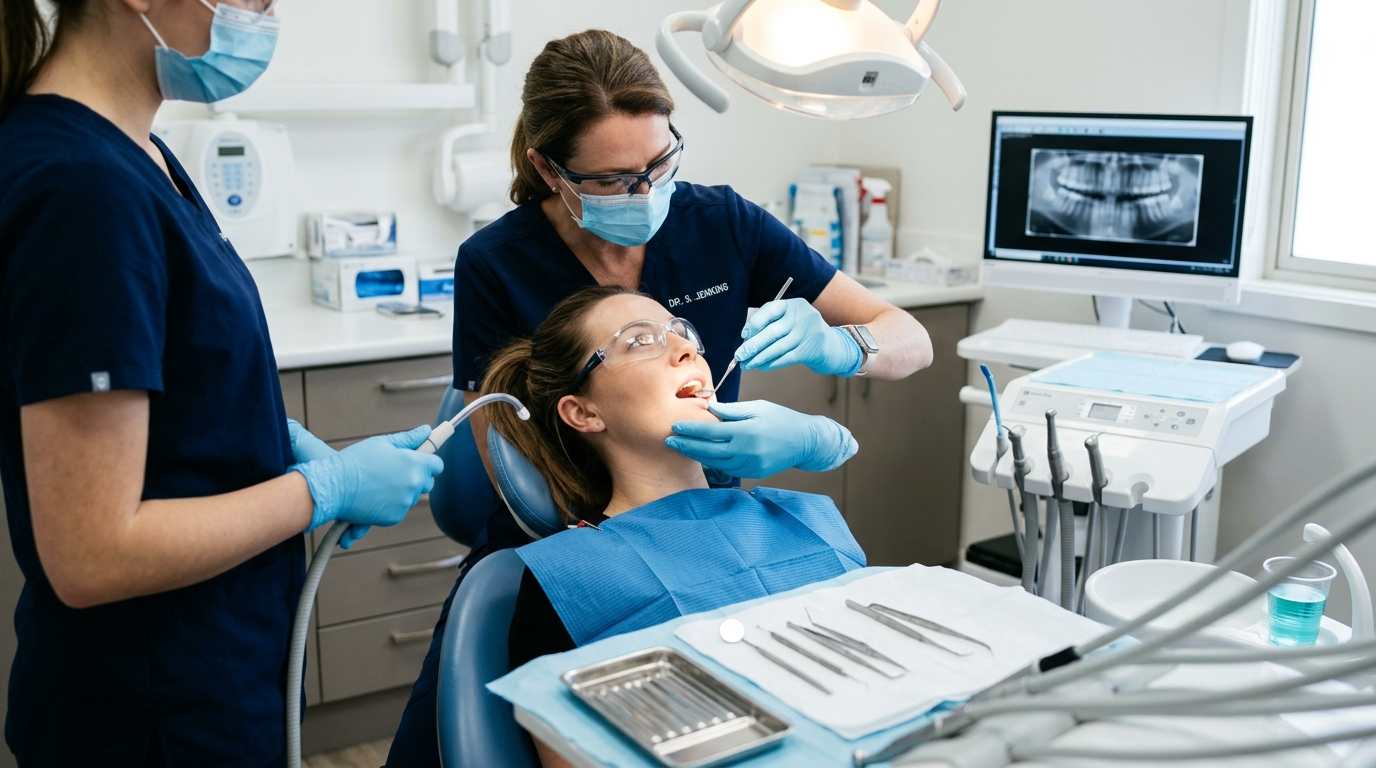
Yes — when properly assessed and supervised. The most common side effect is transient tooth sensitivity, which affects roughly one in three patients and resolves within 24 to 48 hours of completing treatment. We require a clinical examination before prescribing whitening to rule out active decay, cracked teeth or exposed root surfaces that could make whitening uncomfortable or counterproductive.
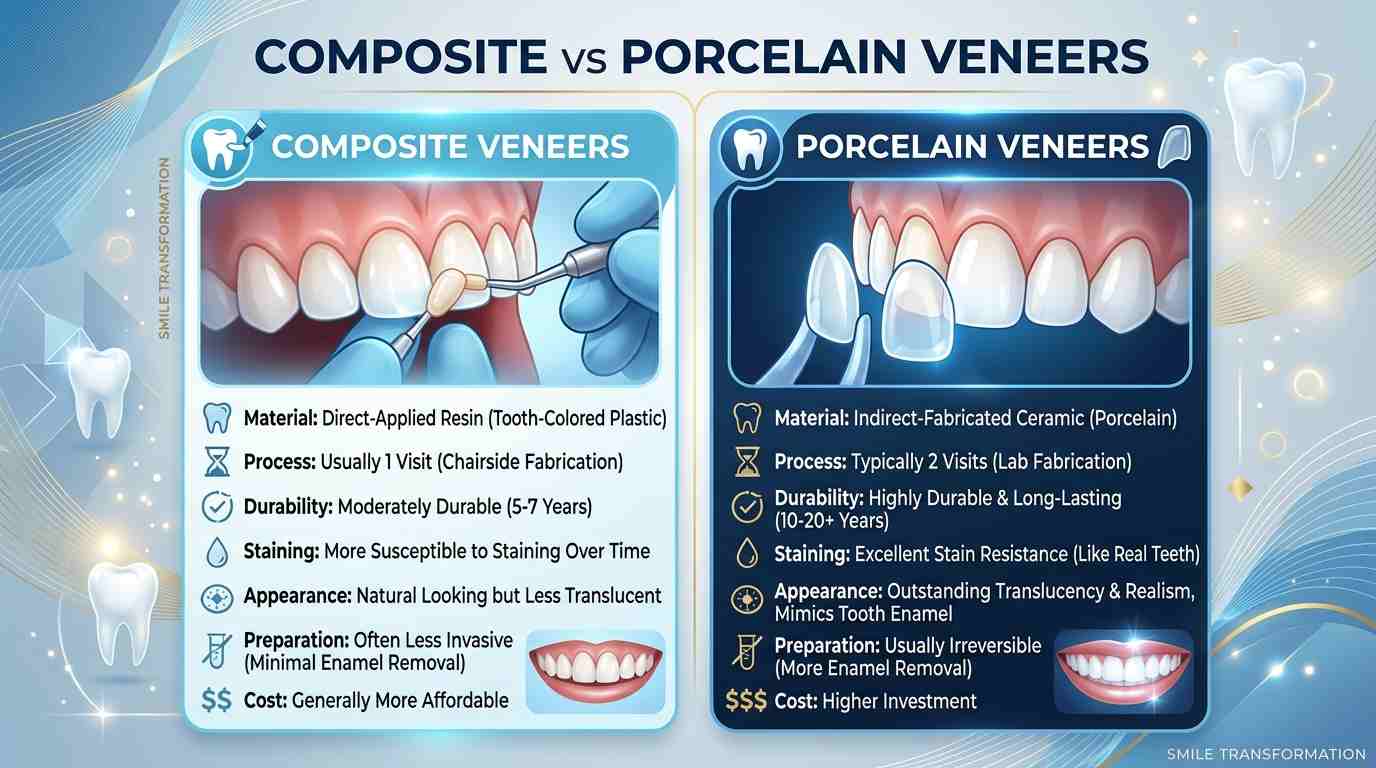
For severe intrinsic staining — tetracycline staining, heavily darkened root canal teeth, or fluorosis — whitening alone may not achieve a satisfactory result and porcelain veneers or crowns may be the more appropriate solution. We will always advise you honestly on what is realistically achievable for your specific situation.
Written by
Dr. Rony Gandhi
Dentist · Riverside No Gap Dental