Preventive Care
Bleeding Gums Are Not Normal — A Riverside Dentist's Guide to Gum Disease
Roughly half of Australian adults over 30 have some form of gum disease — and most do not know it. Gum disease is painless in its early and middle stages, which is precisely why it causes so much damage before people seek treatment. It is also the leading cause of tooth loss in adults over 35. The good news: caught at the right stage, it is completely reversible.
Gingivitis vs Periodontitis — Understanding the Stages
Gum disease exists on a spectrum. Gingivitis is the earliest stage — inflammation of the gum tissue caused by bacterial plaque at and just below the gum line. At this stage, the damage is entirely reversible. With a professional clean and improved home care, gingivitis resolves completely and your gum health returns to normal. No permanent damage has been done.
If gingivitis is not treated, it progresses to periodontitis. This is a chronic infection that destroys not just the gum tissue but the bone and connective tissue that anchor your teeth in the jaw. Once bone is lost, it does not regenerate without significant surgical intervention. Periodontitis does not reverse — it is managed. This is why early detection is so critical.
Signs That You May Have Gum Disease
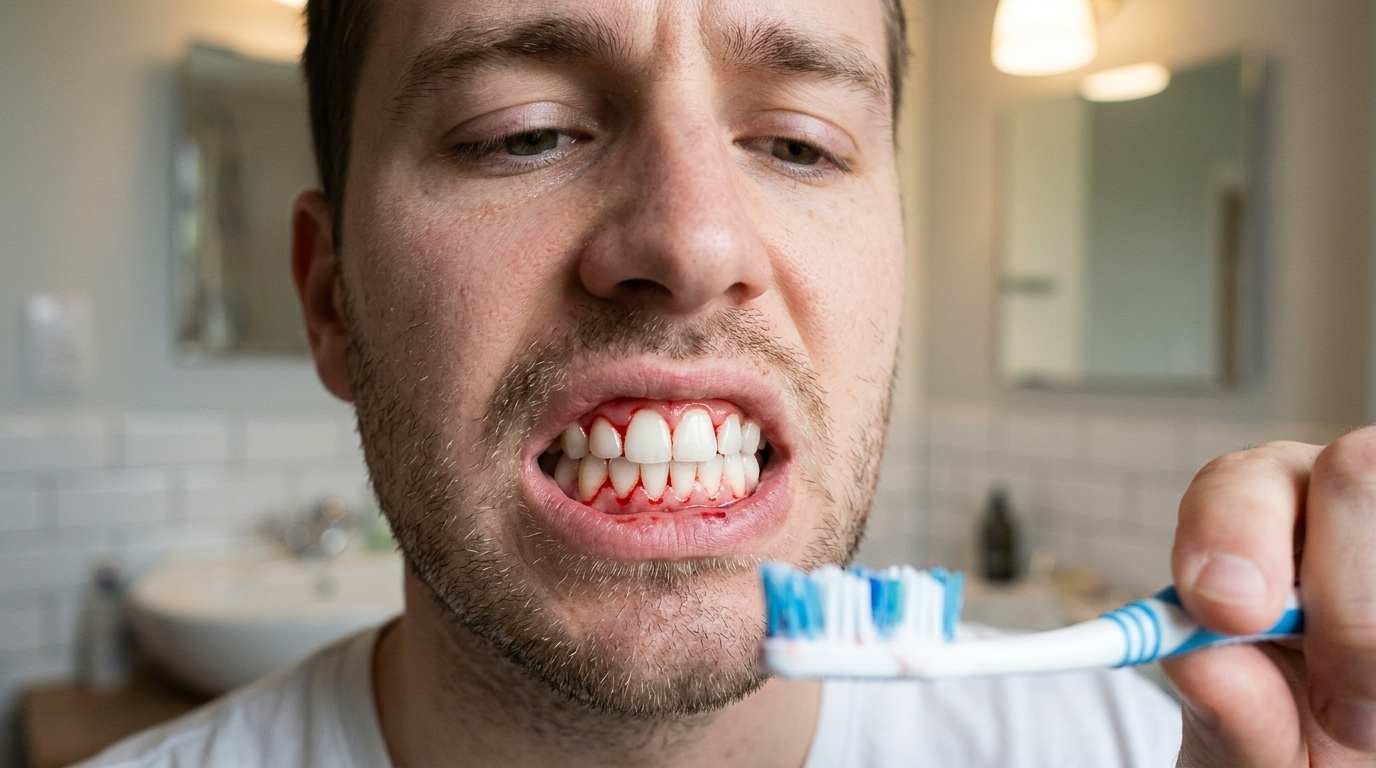
- ◆Gums that bleed when brushing or flossing — the most common early sign
- ◆Gums that look red, puffy or swollen rather than firm and pink
- ◆Persistent bad breath or a bad taste that does not resolve with brushing
- ◆Gums that appear to have pulled away from the teeth, making teeth look longer
- ◆Teeth that feel loose or have shifted in position
- ◆Pain or sensitivity when chewing
- ◆Visible pus around the gum line or between teeth (sign of acute infection)
Why 'I'll Just Brush More' Is Not Enough
Once plaque mineralises into calculus (tartar), no amount of brushing will remove it. Calculus forms within 24 to 72 hours on any surface that is not cleaned — and once hardened, it can only be removed with professional instruments. Calculus below the gum line acts as a persistent irritant, driving the chronic inflammation that destroys bone and attachment.
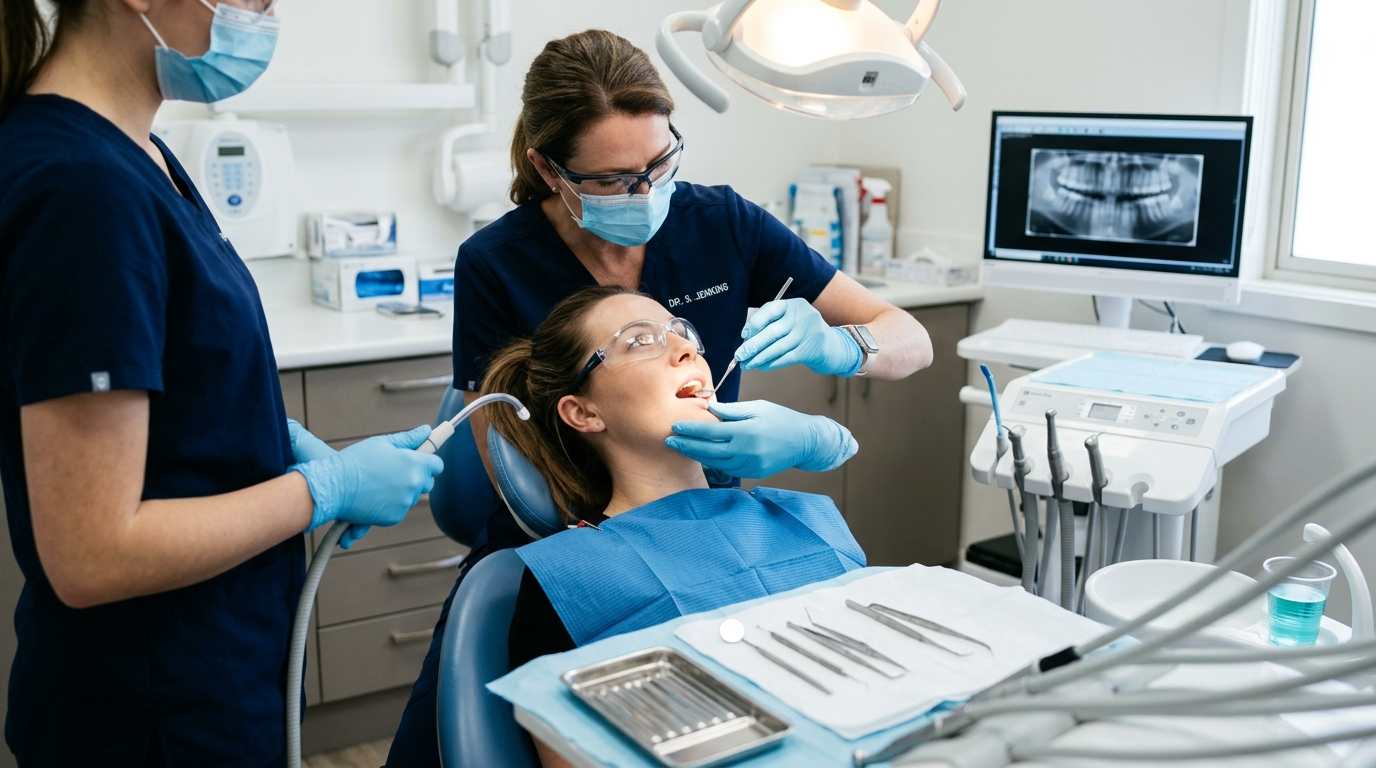
This is why professional cleaning is not optional in the management of gum disease. Our hygienists perform a thorough subgingival debridement — removing all calculus from below the gum line using ultrasonic and hand instruments — to remove the bacterial load and allow the gum tissue to heal.
"Bleeding gums are the body's way of telling you something is wrong. Most people ignore the message for years. By the time it becomes painful, the damage is usually significant."
Risk Factors That Accelerate Gum Disease
Smoking is the single strongest risk factor for severe periodontitis and significantly reduces the success rate of treatment. Smokers also mask the classic symptom of bleeding gums because nicotine constricts blood vessels, making gums appear healthier than they are. Diabetes, pregnancy, certain medications, and genetic predisposition all increase susceptibility to gum disease.
The Link Between Gum Disease and Your General Health
The systemic links between periodontal disease and general health are increasingly well-documented. Chronic periodontal infection has been associated with elevated risk of cardiovascular disease, difficulty controlling blood sugar in diabetic patients, adverse pregnancy outcomes including premature birth and low birth weight, and may play a role in respiratory disease. Your mouth is not separate from your body — the same chronic inflammation driving bone loss in your jaw can affect other organ systems.
Treatment at Riverside No Gap Dental
At Riverside No Gap Dental, we chart gum pocket depths and bleeding scores at every examination so we can track your gum health over time and identify any deterioration early. If you have signs of active gum disease, we will design an individual treatment plan — which may include more frequent professional cleans, improved home care instruction, and in advanced cases, referral to a periodontist for surgical management. If it has been more than six months since your last professional clean, book an appointment today.
Written by
Lauren Oldham
Oral Health Therapist · Riverside No Gap Dental